
Article Quick Links
Article Quick Links
Ford Transit Van Ramp Guide: Finding the Perfect Fit
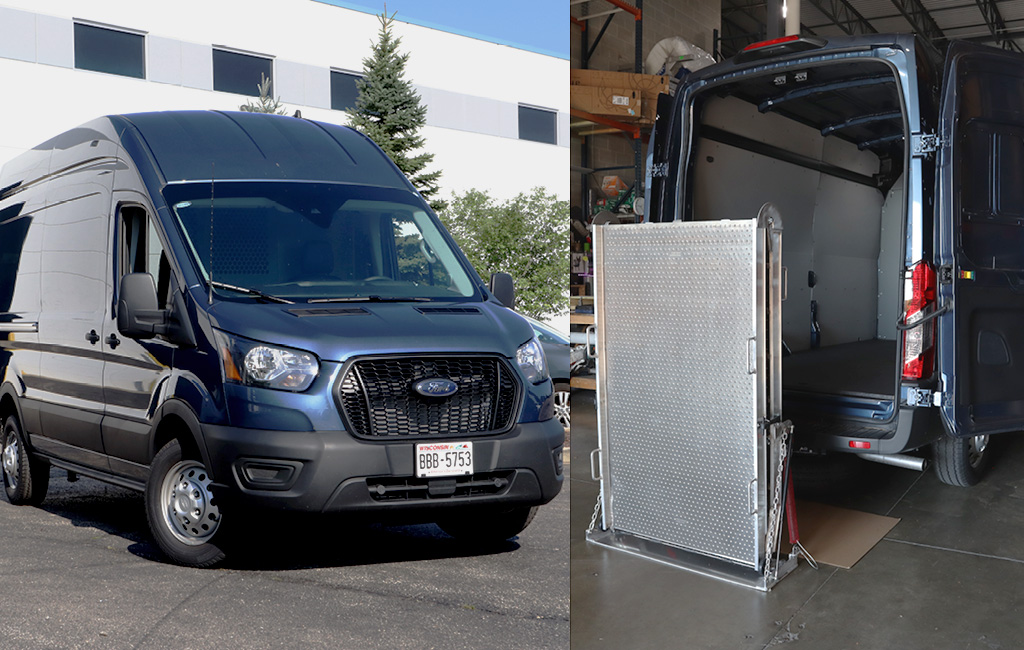
The Ford Transit is one of the most popular cargo vans on the road today. In 2024, approximately 140,000 Transit vans were sold in the US. Trusted by delivery services, contractors, landscapers, and tradespeople across the country, its mix of payload capacity, fuel efficiency, and multiple roof heights and wheel bases makes it a go-to work vehicle. But when it comes to loading and unloading heavy equipment, tools, or deliveries, even the Transit has its limits. That’s where a Ford Transit van ramp comes in.
The right ramp can turn your Transit into a safer, more efficient workhorse—protecting workers from injuries, speeding up loading times, and maximizing ROI on your van investment. This guide from Cargo Van Ramps by HandiRamp will walk you through everything you need to know about choosing the perfect Ford Transit ramp.
Why Add a Ramp to Your Ford Transit?
If you’ve ever lifted a 200 lb piece of equipment into the back of a van, you know the struggle. Ramps solve several major pain points:
- Worker safety – Reduce back strain, slips, and injuries from heavy lifting.
- Efficiency – Load equipment faster, boosting daily productivity.
- ROI – Extending van and equipment life by reducing drops and accidents.
- Versatility – Use with dollies, carts, wheeled equipment, and mobility devices.
For businesses, a ramp isn’t just a convenience—it’s a long-term investment in both safety and profitability.
Ford Transit Specifications You Need to Know
Before you choose a ramp, you need to understand the Ford Transit’s unique design features:
- Rear door opening width: Approximately 60 inches at the base but tapers toward the top (around 55 inches). This taper is important when measuring for a wide ramp.
- Rear door opening height: Between 60–72 inches, depending on roof height.
- Load floor height: Typically 28 inches but can be higher (varies by wheelbase and suspension).
- Spare tire location: The spare is mounted underneath the rear, which can limit installation options for some permanent ramp systems.
- Payload capacity: Ranges from 3,000–4,500 lbs, depending on the model.
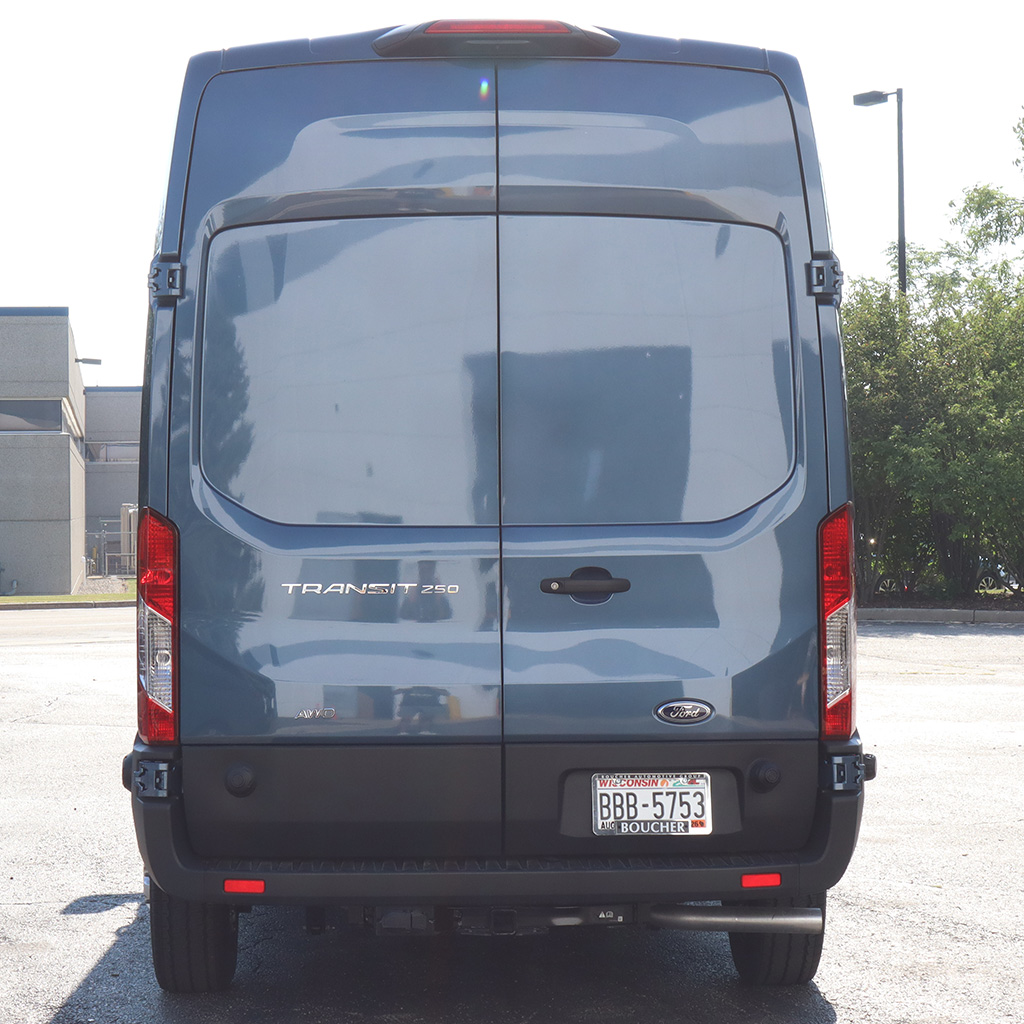
Knowing these specs ensures you select a ramp that fits, folds, and functions without interfering with the van’s structure.
Types of Ford Transit Ramps
Not all ramps are created equal. The best choice depends on your cargo, workers, and workflow.
1. Portable Walk Ramps
- Lightweight aluminum ramps that hook onto the van’s rear edge.
- Store inside the van or at the jobsite.
- Pros: Flexible, easy to move between vans, cost-effective.
- Cons: Must be manually lifted and stored, higher ramp angles if too short.
2. Permanent Cargo Van Ramps (CVRs)
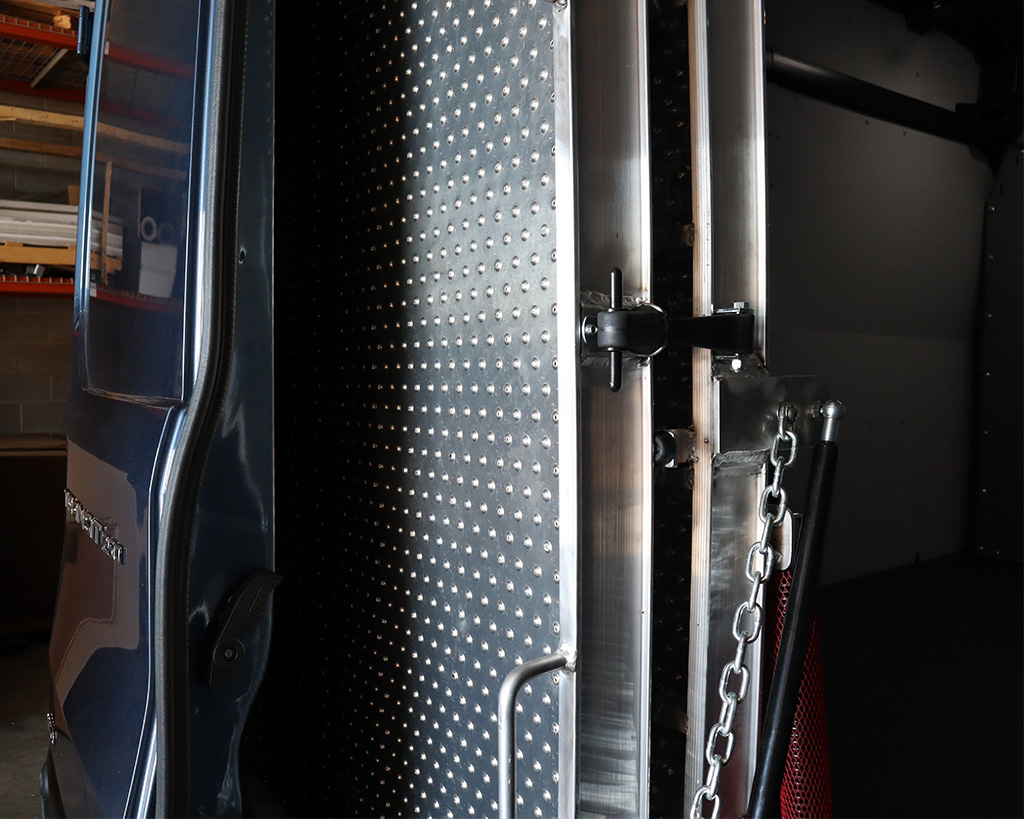
- HandiRamp’s Cargo Van Ramps mount securely inside the van, offering heavy-duty load capacity with smooth deployment.
- Designed for frequent commercial use.
- Pros: Durable, professional-grade, available in multiple lengths/widths.
- Cons: Higher investment, installation required.
Measuring for the Right Ramp
One of the most common mistakes buyers make is choosing the wrong ramp length. Too short, and you’ll end up with a steep angle that’s unsafe for workers and equipment. Here’s how to measure:
- Measure your Transit’s load floor height (ground to cargo floor).
- Apply a slope ratio of 1:3.8 Minimum for light loads and walking traffic.
- 28-inch load height x 3.86 = 108” or a 9’ minimum ramp length.
- For loads over 100lbs: 28-inch load height x 4.5 = 126” or 10.5’ for a gentler slope.
- Measure the rear door width and taper to ensure your ramp fits without rubbing against the door frame.
Weight Capacity: Don't Cut Corners
Ford Transit users often haul heavy loads—from HVAC compressors to landscaping mowers. Always select a ramp rated above your heaviest expected load.
- Light-duty ramps: 500–750 lbs (for dollies, light equipment).
- Medium-duty ramps: 1,000–1,500 lbs (for power tools, mid-size equipment).
- Heavy-duty ramps: 2,000+ lbs (for large mowers, generators, machinery).
HandiRamp’s aluminum van ramps are designed with reinforced support beams to handle heavy-duty use without bending or warping.
Permanent vs. Portable: Which Ramp Is Right for You?
If you’re in logistics, delivery, or contracting with frequent loading, a permanent CVR is usually the best choice. If you only need a ramp occasionally, a portable walk ramp may be more cost-effective.
Factor
Setup Speed:
Storage:
Cost:
Best For:
Permanent Ramp
Instant, folds out in seconds
Inside van, folds away
Higher upfront, long-term ROI
Daily deliveries, fleets, contractors with heavy loads
Portable Ramp
Requires manual positioning
Takes up cargo/floor space
Lower up-front, but may need replacing sooner
Occasional use, multiple van sharing, budget-conscious buyers
Ford Transit Ramp Length Calculator
Load Floor Height (in)
28 in
30 in
32 in
Minimum Ramp Length
(1:3.8 Slope)
9.0 ft
9.5 ft
10.2 ft
Recommended Ramp Length
(1:4.5 Slope, Loads ≥100lbs)
10.5 ft
11.25 ft
12 ft
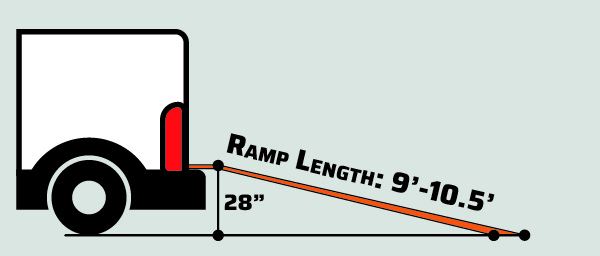
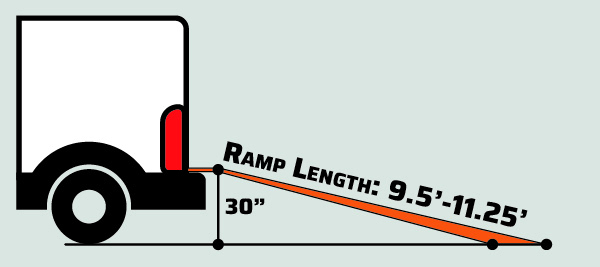
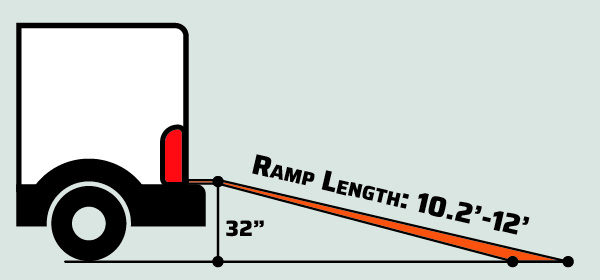
Most Ford Transit vans have a load floor height between 28–30 inches. That means you’ll want at least a 9.0–10 ft ramp for light loads, and ideally a 10.5–12 ft ramp for heavier equipment.
How HandiRamp Cargo Van Ramps Compare to Competitors
Some competitors, like Link Manufacturing, offer portable and folding van ramps. While these can work, there are key differences:
- Durability: HandiRamp ramps are built with welded construction and feature an industry-leading 3-year warranty.
- Installation: Our ramps are designed to fit seamlessly with Ford Transit dimensions, minimizing interference with door tapers or spare tires.
- Customization: HandiRamp offers custom widths and lengths to fit your exact load needs.
- Immediate Availability: Unlike Link and other van ramp manufacturers that make you wait 3-4 weeks, HandiRamp stocks the most popular ramp sizes for immediate shipment. Custom or out-of-stock ramps ship within two weeks.
Industries That Benefit Most from Ford Transit Ramps
Adding a ramp to your Transit pays off across industries:
- Delivery & Logistics – Faster loading/unloading for parcels, groceries, or freight.
- Construction & Landscaping – Safely load power tools, wheelbarrows, and lawn equipment.
- HVAC & Plumbing Contractors – Move compressors, water heaters, and heavy parts with ease.
Medical Equipment Providers – Transport beds, wheelchairs, and durable equipment safely.
Ford Transit Ramps FAQ
Can I put a ramp in a Ford Transit van?
Yes. The Ford Transit’s rear design allows for both permanent installation and portable ramp use.
What’s the best ramp length for a Ford Transit?
We recommend a 10.5’ ramp in either the 36” or 45” widths for most purposes. It takes no more floorspace than the shorter 9’ ramp and offers a gentler slope. The difference in cost between the 9’ and 10.5’ ramps is only a few hundred dollars, a small investment for the added peace of mind.
How much weight can a Ford Transit ramp handle?
HandiRamp ramps are available in capacities up to 2,000+ lbs, making them suitable for heavy-duty commercial use. Nearly three quarters of our customers buy ramps with a 1,000 lbs capacity.
How much cargo space do Ford Transit ramps take up?
Permanent ramps can take between 8” and 12” of floor space. Portable ramps require floor storage, which is often inconvenient, but can be moved between vans.
Final Thoughts
Adding a ramp to your Ford Transit van isn’t just about convenience—it’s about worker safety, efficiency, and protecting your investment.
At Cargo Van Ramps by HandiRamp, we specialize in designing and installing ramps that fit the Transit’s exact dimensions—whether you need a permanent heavy-duty solution or a flexible portable ramp.
Explore our full range of
and let us help you choose the perfect fit for your Ford Transit with ramp setup.